 April 30, 2026
  3 min read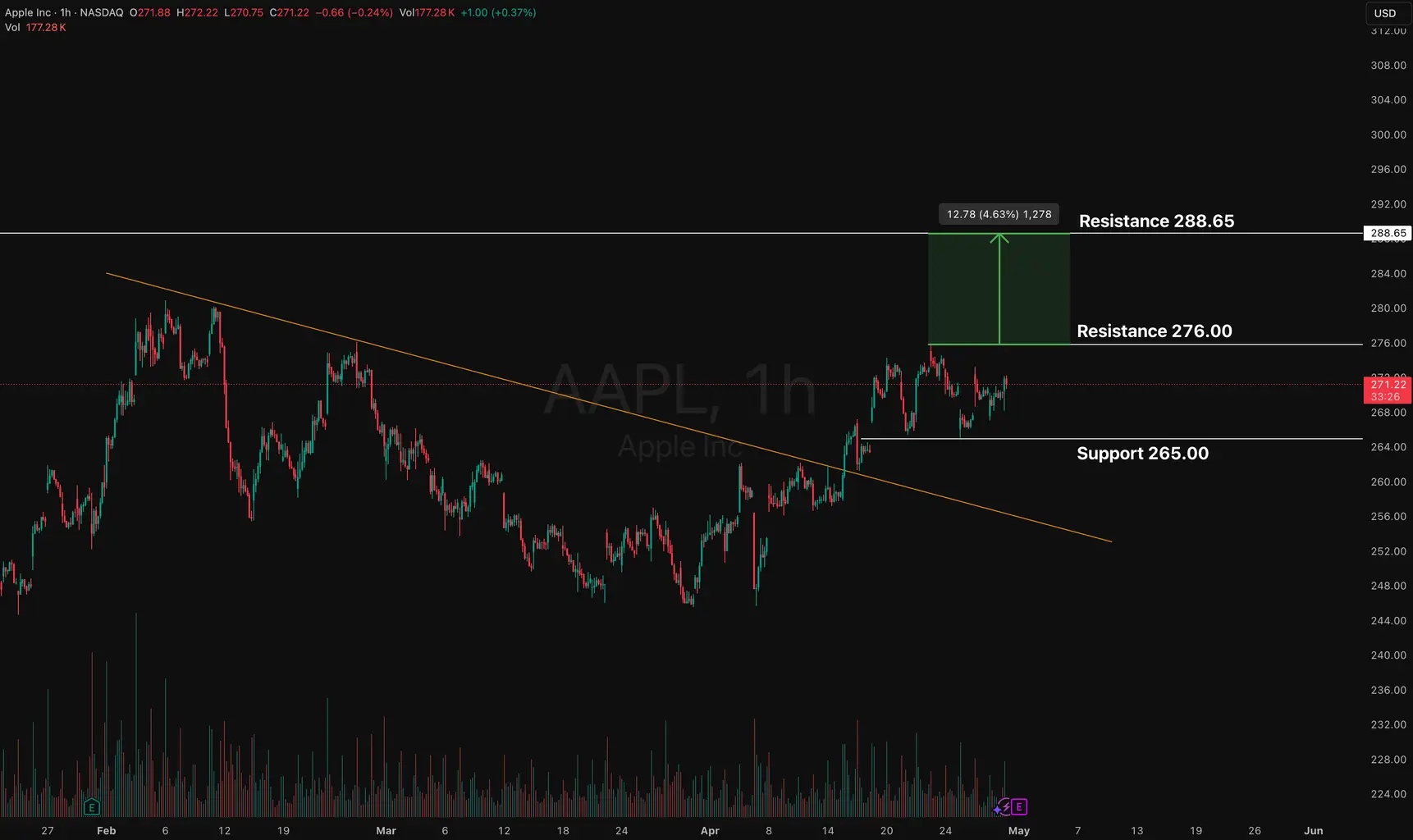
Artificial intelligence attracts most headlines but its impact depends on the devices people use to access it. A small set of hardware vendors supply the interfaces that deliver AI experiences, notably Apple Microsoft and Samsung.
Apple holds a 62% mobile market share in North America. The company’s device lineup creates an ecosystem that ties users across iPhone Watch iPad and Mac. That integration supports higher hardware sales and expanded services revenue from the App Store iCloud Apple Music and Apple TV.
Some observers say Apple lagged the initial AI wave. Other firms are investing hundreds of billions in data centers and AI infrastructure which can compress margins while those investments scale. Apple’s role is primarily hardware supplying the interfaces on which many AI applications run, a position that can influence device upgrade incentives.
The next iPhone generation is not centered on a new camera. New mobile silicon is the stated focus. Apple plans an A20 Pro chip built on a 2nm process for the iPhone 18 Pro later this year. TSMC will manufacture that chip. The design targets on-device AI execution with reduced thermal output and lower battery drain.
Apple is preparing software and hardware support for Apple Intelligence 2.0. The implementation emphasizes faster local responses on device an on-device encrypted vault for personal data offline capabilities and cross-referencing across email and notes to surface synthesized results through Siri.
Apple refreshed its MacBook lineup in March 2026 with M5 M5 Pro and M5 Max processors intended to run complex AI workloads such as image generation more efficiently. The company increased base system memory from 16GB to 32GB or 48GB. Rapid increases in memory prices are cited as a factor that could place pressure on profit margins.
Company revenue projections indicate a trajectory toward a $500 billion revenue run rate next year. Reported free cash flow stood at $123 billion placing the company first globally in absolute free cash flow generation.
AAPL option contracts expiring on May 15th 2026 show an implied volatility reading of 34.5% which corresponds to an approximate $15 expected move in the underlying security around the report. Current pricing suggests options are fairly valued ahead of the earnings event which implies potential for premium expansion if realized volatility exceeds expectations.
This material is provided for informational and educational purposes only and does not constitute financial advice. All investments carry risk, including the potential loss of capital.








Feed