 June 15, 2026
  4 min read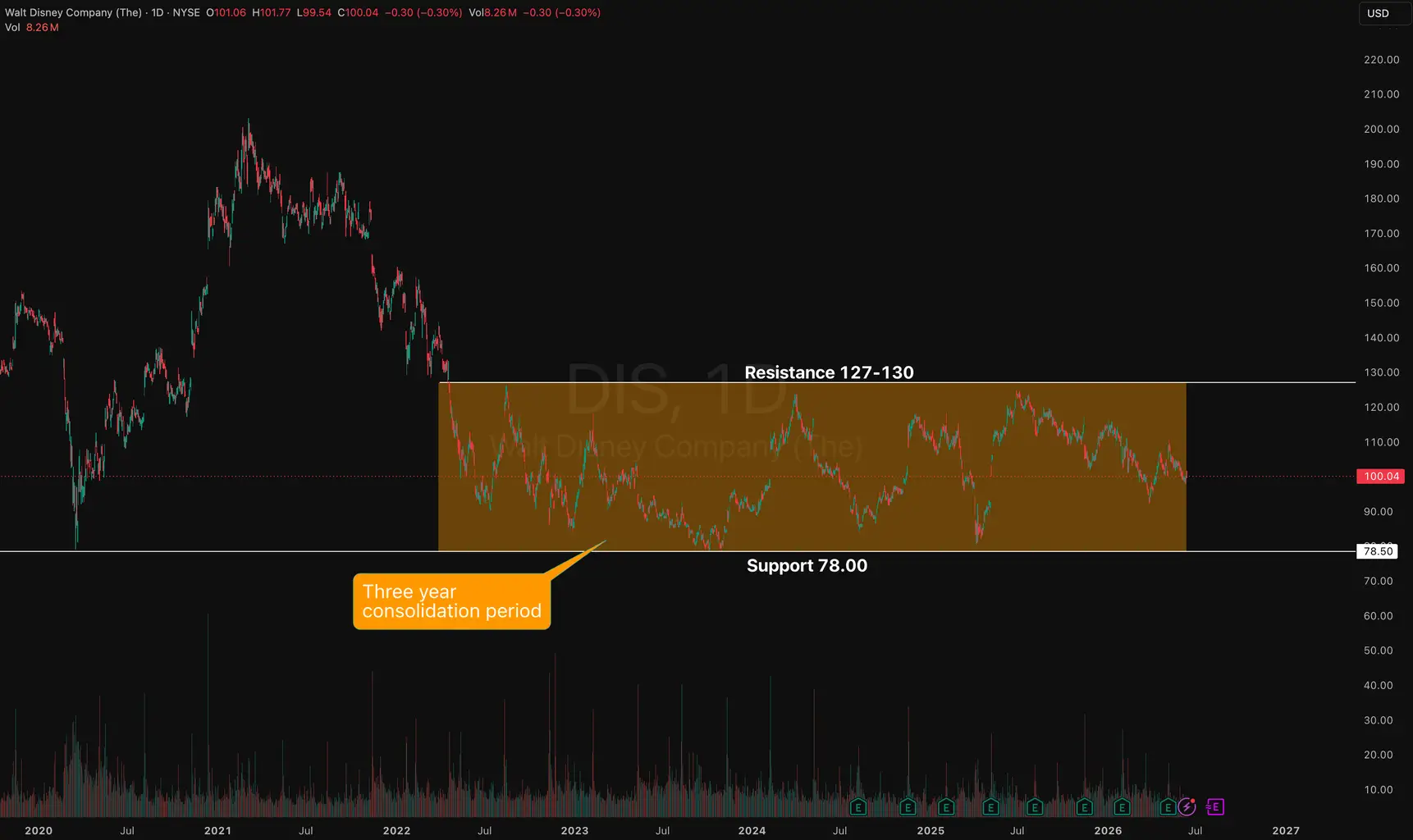
Walt Disney remains a widely recognized entertainment company centered on intellectual property development and long-term monetization across multiple outlets.
At its core Disney creates characters stories and franchises and leverages those assets across film television streaming parks merchandise and licensing to generate recurring value from established brands.
Disney’s operations are organized into three primary segments reflecting distinct revenue and cost dynamics: a content and entertainment arm a sports business and an experiences division.
The entertainment segment encompasses movie studios television networks streaming services and a deep library of brands including the company’s flagship franchises and networks.
The sports segment is centered on ESPN which retains value because live sports continue to attract real-time viewership and advertising even as traditional distribution evolves toward streaming models.
The experiences segment includes parks resorts cruise operations merchandise and licensing where guest demand and pricing interact with operational costs and inflationary pressures.
Recent headwinds included an expensive pivot to streaming which required heavy upfront investment legacy cable subscriber declines inconsistent box office results and inflation-driven cost pressures that affected margins across the business.
Management has emphasized restoring earnings growth improving margins and converting streaming into a sustainable profit center while advancing ESPN’s transition toward direct-to-consumer distribution; revenue grew 7% last quarter and streaming returned meaningful operating margin in recent results.
Company guidance reflects expectations for double digit adjusted EPS growth in the referenced fiscal periods as Disney seeks to demonstrate that its strategic repositioning is delivering measurable financial improvement.
Overall the business maintains diversified franchises and revenue streams while the current focus is on execution across content monetization streaming profitability and consumer-facing experiences.
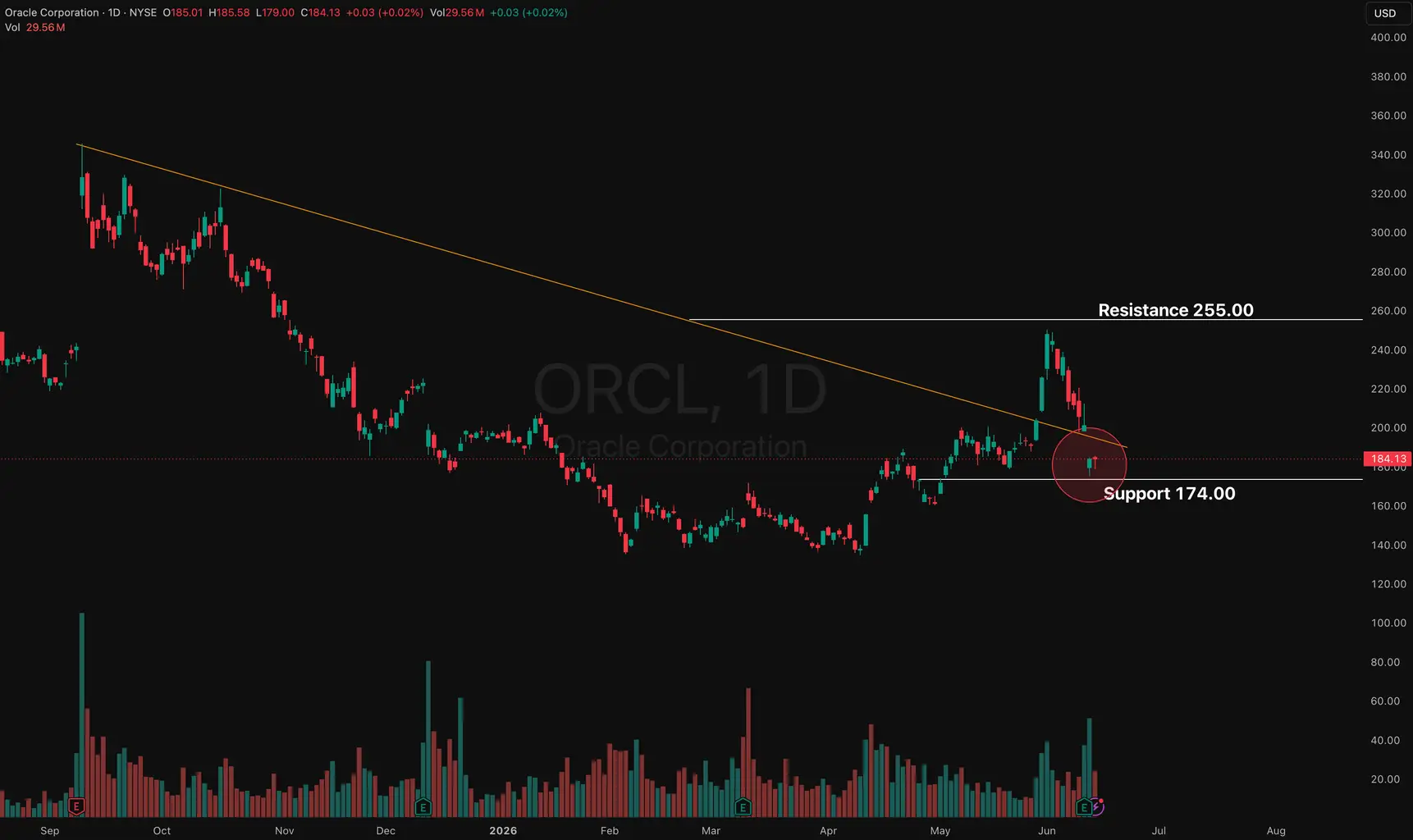
Oracle is repositioning from a traditional enterprise software provider into a significant player in AI infrastructure by investing in compute storage databases and cloud services tailored for large model workloads.
The company’s strategy centers on supplying backend capacity and data services required to train and run advanced artificial intelligence systems which demands substantial capital for data centers chips power and networking equipment.
Investor concern has focused on the scale of spending and the financing used to support the AI infrastructure buildout as the business balances near-term investment with longer-term revenue conversion.
A prominent element of Oracle’s AI push is a joint infrastructure initiative that involves several major partners and ties the company more closely to large-scale AI deployments pending visible financial contributions from that project.
In market context Oracle is a sizable technology company with an enterprise valuation that places it among major providers of cloud and infrastructure services and its remaining performance obligations have grown to a very large figure representing future contracted work.
That backlog of remaining performance obligations stands as one of the largest in the sector and represents contracted future revenue that still needs to be recognized as operating revenue and cash flow over time.
Valuation metrics incorporate expectations about the pace at which infrastructure investments convert into durable revenue and profits and depend on execution across large capital projects and customer deployments.
The business case for Oracle’s AI infrastructure effort is grounded in securing foundational roles in the data and compute layer of the AI economy while the timing and conversion of contractual backlog into sustainable cash generation remain central to the narrative.
This material is provided for informational and educational purposes only and does not constitute financial advice. All investments carry risk, including the potential loss of capital.








Feed