 August 3, 2026
  3 min read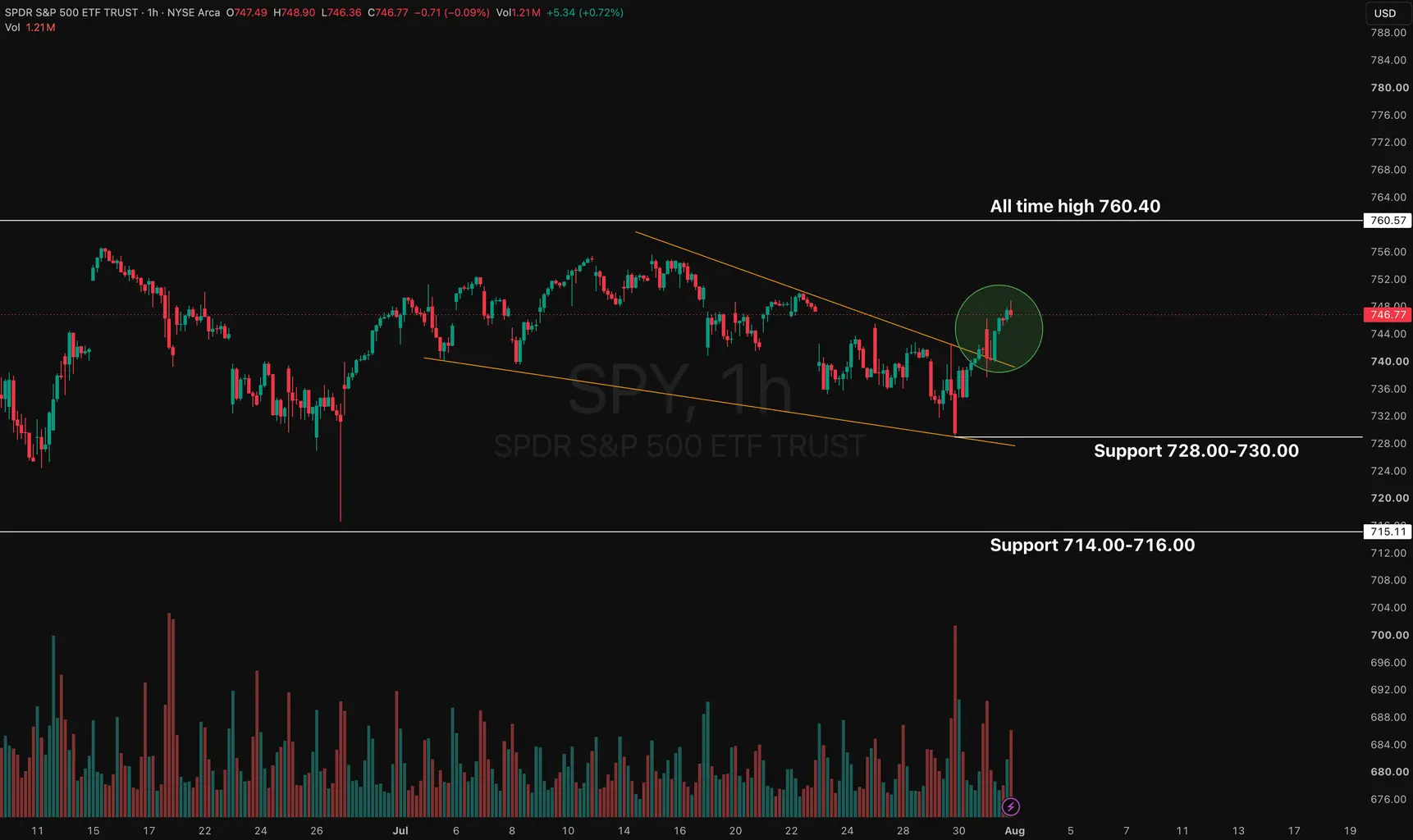
AI-driven, highly leveraged positions forced outsized selling that amplified market swings and became the dominant near-term risk for momentum trades.
Leopold Aschenbrenner, founder of Situational Awareness, reportedly lost roughly more than 65% after a collection of highly leveraged AI trades moved violently against the fund, and the firm was forced to unwind much of its approximately multibillion dollar public stock portfolio.
The forced selling created short-term dislocations that other market participants were able to exploit as several of the same AI names began to rebound, underscoring how leverage can produce painful exits regardless of thesis quality.
That liquidation added fuel to extreme volatility across semiconductors, AI infrastructure and other crowded momentum trades yet the broader market ultimately held through the week and attention centered on the FOMC meeting and the Chairman's press conference.
The Federal Reserve held interest rates steady, with nine voting to hold rates steady and three voting to raise rates, and no officials presented a timeline for rate cuts, leaving markets uncertain about when easing might arrive given energy price volatility and lingering inflation.
President Trump urged Kevin Warsh to cut rates when he takes office yet Warsh faces a difficult tradeoff because cutting while inflation remains closer to 3% would conflict with a stated 2% inflation target.
The bond market has been moving in real time to economic updates as the 30-year Treasury yield climbed above 5%, its highest level since 2007. Rising long-term yields compete with equities for capital, raise borrowing costs for businesses and consumers and place particular pressure on high growth companies.
Market participants have noted the oddity that a severe equity selloff has not yet accompanied the rise in yields, a divergence that reflects differences in the economy compared with two decades ago.
Japan intervened in currency markets after the yen fell to its weakest level in decades, buying yen and selling dollars to stabilize the exchange rate; the action briefly strengthened the yen and helped calm global markets.
A firmer yen can lower the likelihood of another violent unwind in the popular yen carry trade, a source of volatility for global equities over the past year and a factor often overlooked by investors.
Entering August the labor market is the central focus with multiple reports due; unemployment is expected to slightly gain from 4.2% to 4.3% as layoffs and slowing hiring continue to impact the economy, and a softer labor market is one channel that could influence the path of monetary policy.
Investors welcome a modest slowdown if it pushes toward rate relief but a sharper deterioration could raise recession concerns, especially after last quarter's GDP reading only showed 1.5%.
This material is provided for informational and educational purposes only and does not constitute financial advice. All investments carry risk, including the potential loss of capital.








Feed